
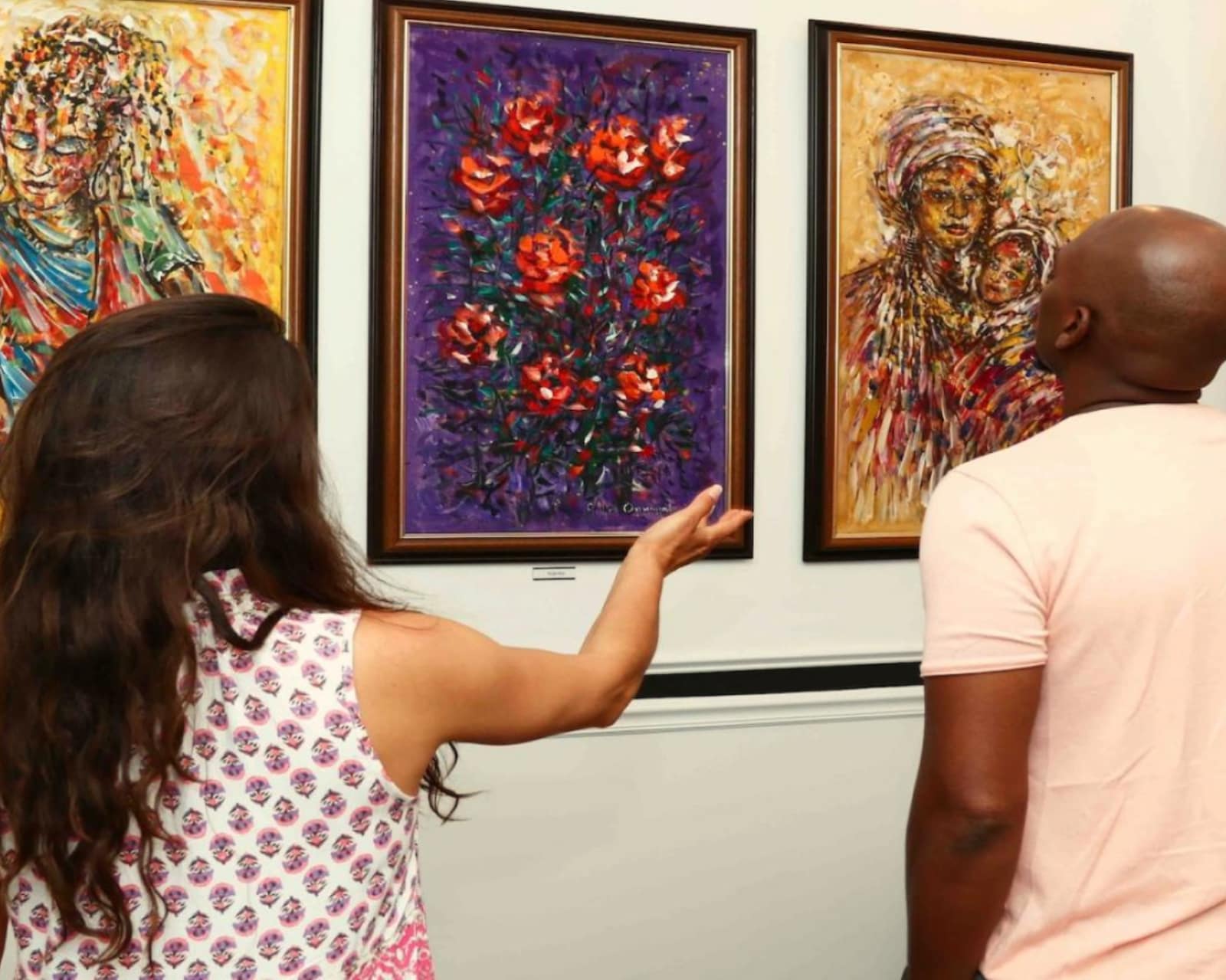
For much of history, African art was framed through a Western lens, classified as “primitive” or anthropological rather than recognized for its meaning and mastery. Early collectors and scholars misunderstood its cultural sophistication, even as European artists like Picasso and Matisse drew from Nigerian art and West African sculpture that helped shape 20th-century Modernism.that helped shape 20th-century Modernism.
That perception has changed dramatically. In the past two decades, global museums have increased African artwork representation by over 200%, and scholars now regard it as a cornerstone of modern creativity and design thinking. No longer seen as an artifact or influence, it stands as intellectual capital and cultural power in its own right.
Here are five key perspectives reshaping how the world now understands African art, and why this evolution matters for the future of global culture.
1. The Rise of African Art as Intellectual Capital
2. The World Is Finally Recognizing How African Art Shaped Modernism
3. The Digital Era Is Redefining How the World Experiences African Art
4. Growing Demand for Authentic African Narratives
5. African Art as an Emerging Global Asset Class
Explore each perspective in detail below.
Discover How the World Views African Art in the Present Era: The 5 Perspectives
Across museums, markets, and digital spaces, African paintings are no longer just being observed, it’s being studied, valued, and understood.
1. The Rise of African Art as Intellectual Capital
What it is:
African art is increasingly recognized as a form of intellectual capital, art that carries ideas, knowledge, and cultural intelligence passed down through generations. It’s more than visual expression; it’s a way of preserving history, questioning identity, and sharing the collective wisdom that defines Africa’s creative voice.
Why it matters:
This shift elevates the perception of the African artist from artisan to thinker. Museums and scholars now treat their works as visual manuscripts, critical texts that decode cultural evolution and human behavior.
Real-world example:
Across West Africa, artists are redefining how philosophy meets form, reflecting a shift iin how Nigerian art and broader African paintings are valued globally. Nigerian artist Chike Onuorah, known for collections like Mastermind and Priceless Heritage, captures how Africa’s heritage and modern identity intersect. His Lifetime Achievement Award in Lagos underscores how global audiences are increasingly the African artist for cultural depth and intellectual influence, signaling a transformation in how the world perceives African masterpieces today.
Across West Africa, artists are redefining how philosophy meets form, reflecting a shift in how in how Nigerian art and broader African paintings are valued globally. Nigerian artist Chike Onuorah, known for collections like Mastermind and Priceless Heritage, captures how Africa’s heritage and modern identity intersect. His Lifetime Achievement Award in Lagos underscores how global audiences are increasingly recognizing tthe African artist for cultural depth and intellectual influence, signaling a transformation in how the world perceives African masterpieces today.
Pro Tip:
When exploring African art, look beyond style or medium, focus on the stories, symbols, and philosophies each piece conveys. Authentic works often reveal layers of cultural memory, social commentary, and identity. Understanding these themes helps you engage with African artworks not just as visual beauty, but as living thought and cultural dialogue.
2. The World Is Finally Recognizing How African Art Shaped Modernism
What it is:
African artwork has moved beyond the “emerging” label to become a cornerstone of global modernism. Its cultural depth now matches its market value, evident in Bonhams’ Modern & Contemporary African Art sale which achieved £1.7 million ($2.1 million) and featured leading names like El Anatsui, Ben Enwonwu, and Chike Onuorah.
Why it matters:
Global auctions and exhibitions now redefine how African masterpieces are valued. Rising hammer prices at Bonhams and Sotheby’s reflect not just market demand but cultural validation, placing African artists on equal footing with their Western peers. As Nigerian artists like Chike Onuorah gain global visibility, this recognition drives sustainability, empowering creators and galleries to build lasting careers and strengthen Africa’s creative economy.
Real-world example:
In April 2024, Bonhams’ Modern & Contemporary African art sale in London achieved £2.44 million ($2.98 million) in total sales, featuring works by celebrated artists such as El Anatsui, Ben Enwonwu, and Nigerian artist Chike Onuorah alongside other leading voices. The strong results reaffirmed African art’s global investment appeal, showing how creators once viewed as regional now command international recognition and market power.
In April 2024, Bonhams’ Modern & Contemporary African Art sale in London achieved £2.44 million ($2.98 million) in total sales, featuring works by celebrated artists such as El Anatsui, Ben Enwonwu, and Nigerian artist Chike Onuorah alongside other leading voices. The strong results reaffirmed African art’s global investment appeal, showing how creators once viewed as regional now command international recognition and market power.
Pro Tip:
Invest in exclusive African artworks from reputable galleries with verifiable provenance. Ethical curation and documentation protect artistic integrity and ensure sustainable market value.
3. The Digital Era Is Redefining How the World Experiences African Art
What it is:
Global institutions are finally acknowledging that African art didn’t just influence modernism, it helped create it. The minimalist and abstract aesthetics of African sculpture and masks inspired artists like Picasso and Matisse, shaping Cubism and redefining Western art’s approach to form and abstraction, a truth now being recognized by major museums worldwide
Why it matters:
Recognizing Africa’s role in shaping Modernism reclaims artistic authorship long overlooked in Western narratives. It highlights how African philosophies and forms fueled global movements like Cubism and abstraction. This acknowledgment reshapes art history, placing African creators at the center of innovation. It also inspires future generations to see Africa not as influence, but as origin.
Real-world example:
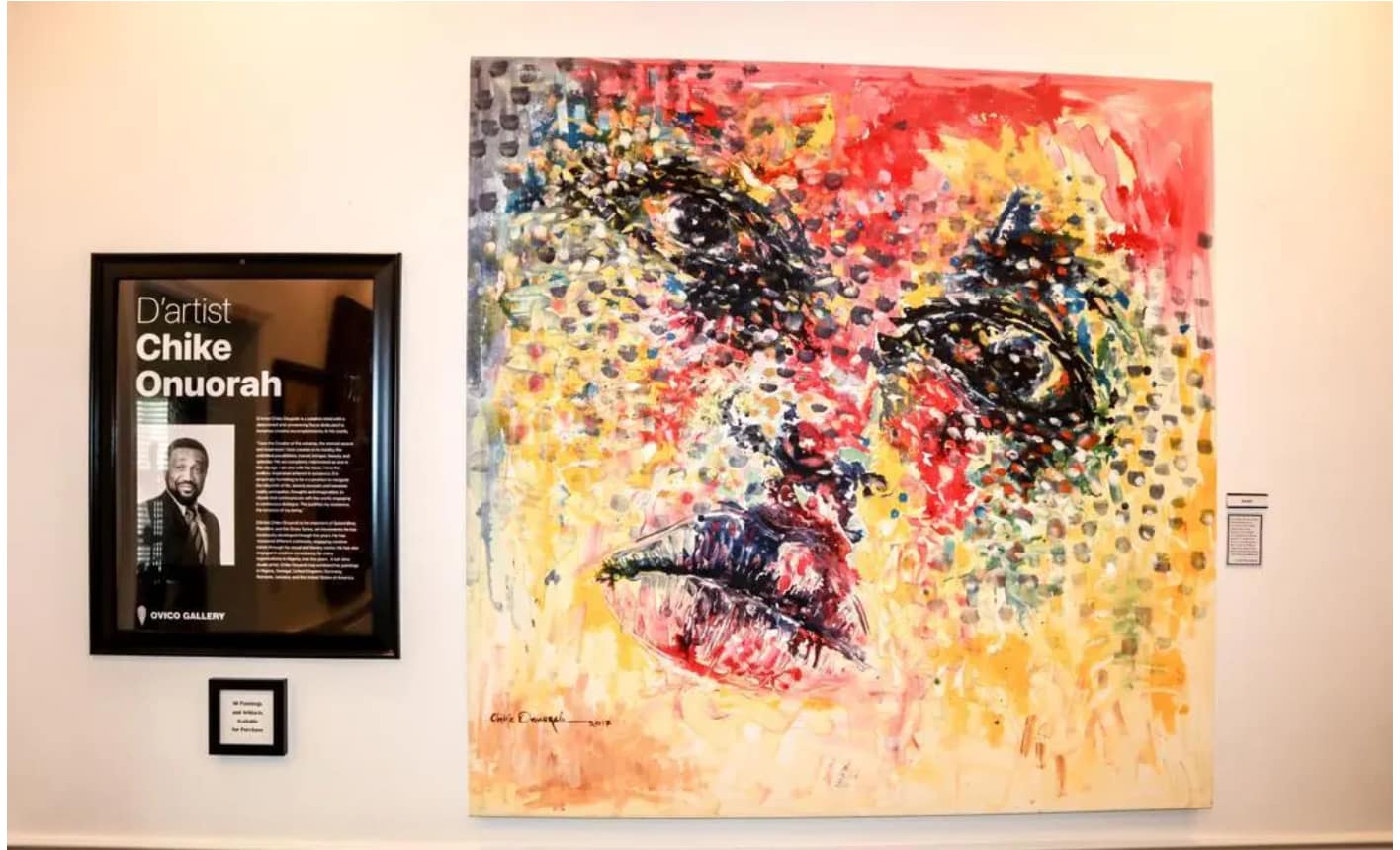
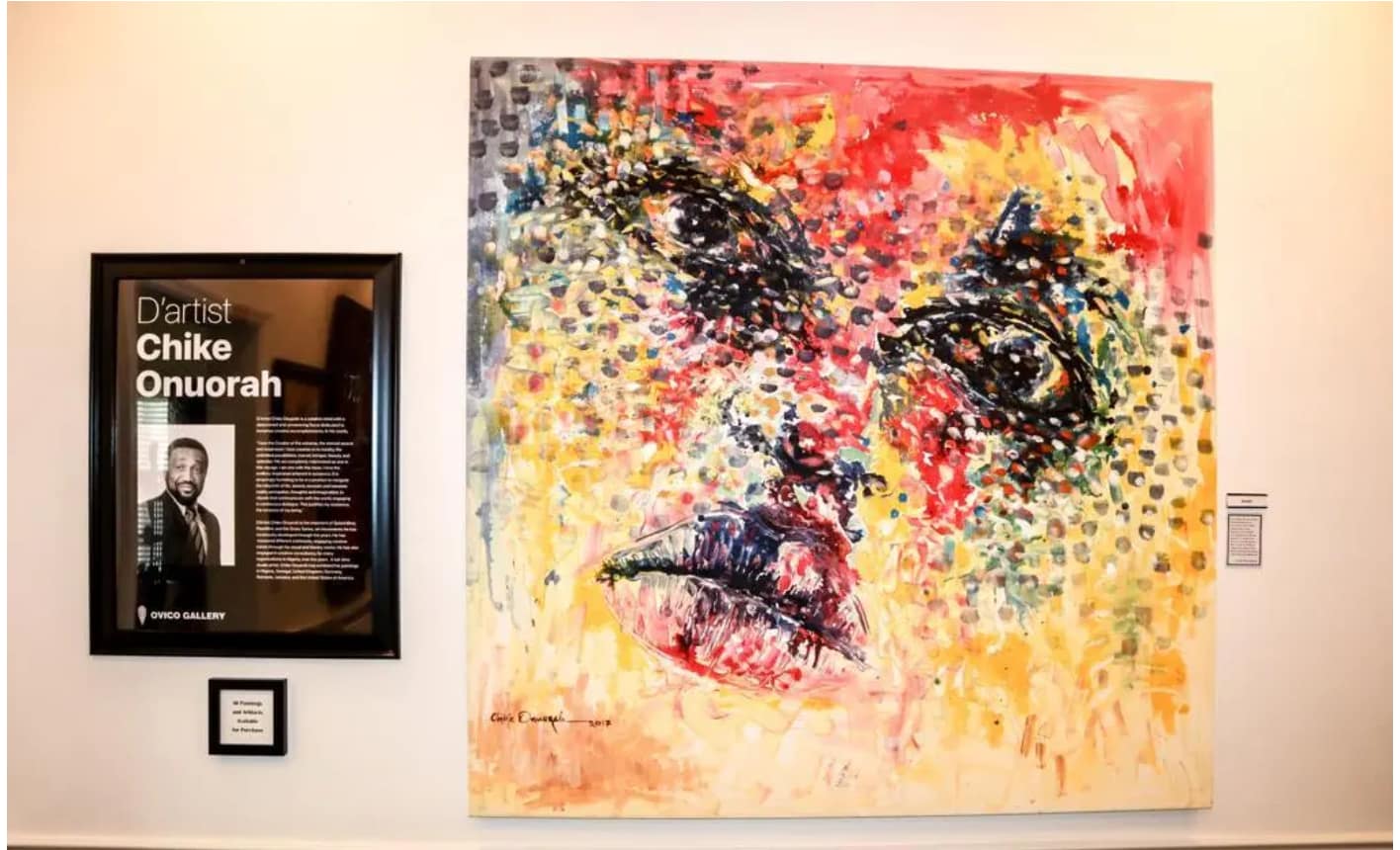
Across Africa, galleries like Ovico Gallery are redefining how African art is viewed globally through exhibitions such as Rhythms of Identity, Evolving Visions of Africa, and Echoes of Heritage. Featuring Land of Treasures, Chike Onuorah’s 118×236-inch commissioned painting displayed at Djibouti’s International Conference Centre, these showcases blend tradition with modern abstraction, affirming Africa’s central place in global art.
Across Africa, galleries like Ovico Gallery are redefining how African art is viewed globally through exhibitions such as Rhythms of Identity, Evolving Visions of Africa, and Echoes of Heritage. Featuring Land of Treasures, Chike Onuorah’s 118×236-inch commissioned painting displayed at Djibouti’s International Conference Centre, these showcases blend tradition with modern abstraction, affirming Africa’s central place in global art.
Pro Tip:
Seek artworks that fuse traditional craftsmanship with modern experimentation. They represent both cultural continuity and bold reinvention, qualities prized by collectors and institutions alike.
4. Growing Demand for Authentic African Narratives
What it is:
The global art market is shifting toward authenticity, with collectors and institutions seeking works that tell genuine African stories, rooted in lived experience, heritage, and identity. Rather than being filtered through Western curatorship, African artists are now defining their own narratives and aesthetics, reclaiming the lens through which their art is viewed.
Why it matters:
This movement restores narrative ownership. It ensures that Nigerian art is valued not as “inspired by” but as an originator of cultural depth and innovation. As demand grows for authentic African perspectives, artists gain not only visibility but also agency, shaping how global audiences understand Africa’s evolving social and creative landscape.
Real-world example:
As global demand for African paintings rises through fairs like 1-54 London and Frieze, Ovico Gallery in St. Augustine, Florida, offers a more authentic lens. Featuring artists such as Chike Onuorah, whose works pair visual storytelling with poetry, Ovico connects collectors to the spiritual and cultural essence of African creativity, restoring meaning and depth to the global art conversation
As global demand for African paintings rises through fairs like 1-54 London and Frieze, Ovico Gallery in St. Augustine, Florida, offers a more authentic lens. Featuring artists such as Chike Onuorah, whose works pair visual storytelling with poetry, Ovico connects collectors to the spiritual and cultural essence of African creativity, restoring meaning and depth to the global art conversation
Pro Tip:
When collecting or exploring digital African art, prioritize creators whose work fuses cultural storytelling with innovation. The most enduring pieces don’t imitate Western forms, they translate African heritage into new mediums that speak to a global future.

5. African Art as an Emerging Global Asset Class
What it is:
African art is rapidly gaining recognition as a serious global asset class. Once viewed primarily for its cultural significance, it’s now being sought after by collectors, investors, and institutions for its financial value and growth potential. Auction data from Bonhams and Sotheby’s show consistent appreciation in prices for contemporary African artists, signaling a maturing and resilient market segment.
Why it matters:
This shift transforms African art from cultural expression into a source of economic empowerment. As global demand grows, artists, collectors, and local galleries benefit from higher valuations, international exposure, and reinvestment in Africa’s creative industries, turning cultural heritage into lasting wealth and influence.
Real-world example:
In 2025, Nigerian artist Chike Onuorah received the Lifetime Achievement Award from the Institute of Leadership, Lagos, recognizing his three-decade contribution to Nigerian Art and African creativity. His works, such as Land of Treasures, displayed in Djibouti, symbolize how authentic African paintings are now globally celebrated for their cultural depth, heritage, and intellectual influence.
In 2025, Nigerian artist Chike Onuorah received the Lifetime Achievement Award from the Institute of Leadership, Lagos, recognizing his three-decade contribution to Nigerian art and creativity. His works,such as Land of Treasures, displayed in Djibouti, symbolize how authentic African paintings are now globally celebrated for their cultural depth, heritage, and intellectual influence.
Pro Tip:
Support galleries, curators, and creative communities that prioritize artist-led storytelling. Their work ensures that the evolution of African artworks remains authentic, empowering, and anchored in Africa’s creative legacy.
Key Takeaway
African art has evolved from being viewed as heritage to becoming a driver of global innovation, investment, and identity. Today, African artists are not just influencing but leading the conversation, defining how culture, creativity, and value intersect. From Nigerian art’s intellectual depth to digital showcases redefining access, this movement signals a powerful shift: African artwork is no longer a story told about Africa but by Africa, where every painting, sculpture, and exhibition becomes both cultural legacy and global asset.
TL;DR
- African art has evolved from heritage to global intellectual capital.
- Nigerian art and African paintings now shape the world’s creative landscape.
- Digital innovation amplifies every African artist’s voice worldwide.
- Today, African art tells its own story, rooted in Africa, resonating everywhere.
CTA:
Explore exhibitions, meet the artist, and experience African art that shapes the global conversation.
Visit Ovico!
FAQs
1. Why is African art gaining global recognition?
African art is gaining recognition for its originality, cultural depth, and influence on global creativity. Collectors and museums now value its authentic storytelling, craftsmanship, and symbolism, seeing it as both a cultural legacy and a growing global investment category.
2. How can collectors verify authentic African paintings?
Check for artist provenance, exhibition records, and curation by reputable African wall art galleries. These details confirm both authenticity and ethical representation.
3. What role do art galleries play in promoting African artists?
Art galleries serve as cultural educators, curating exhibitions that preserve identity while connecting African artists and their paintings to the global stage.
Powered by MarketEngine from StartupWind